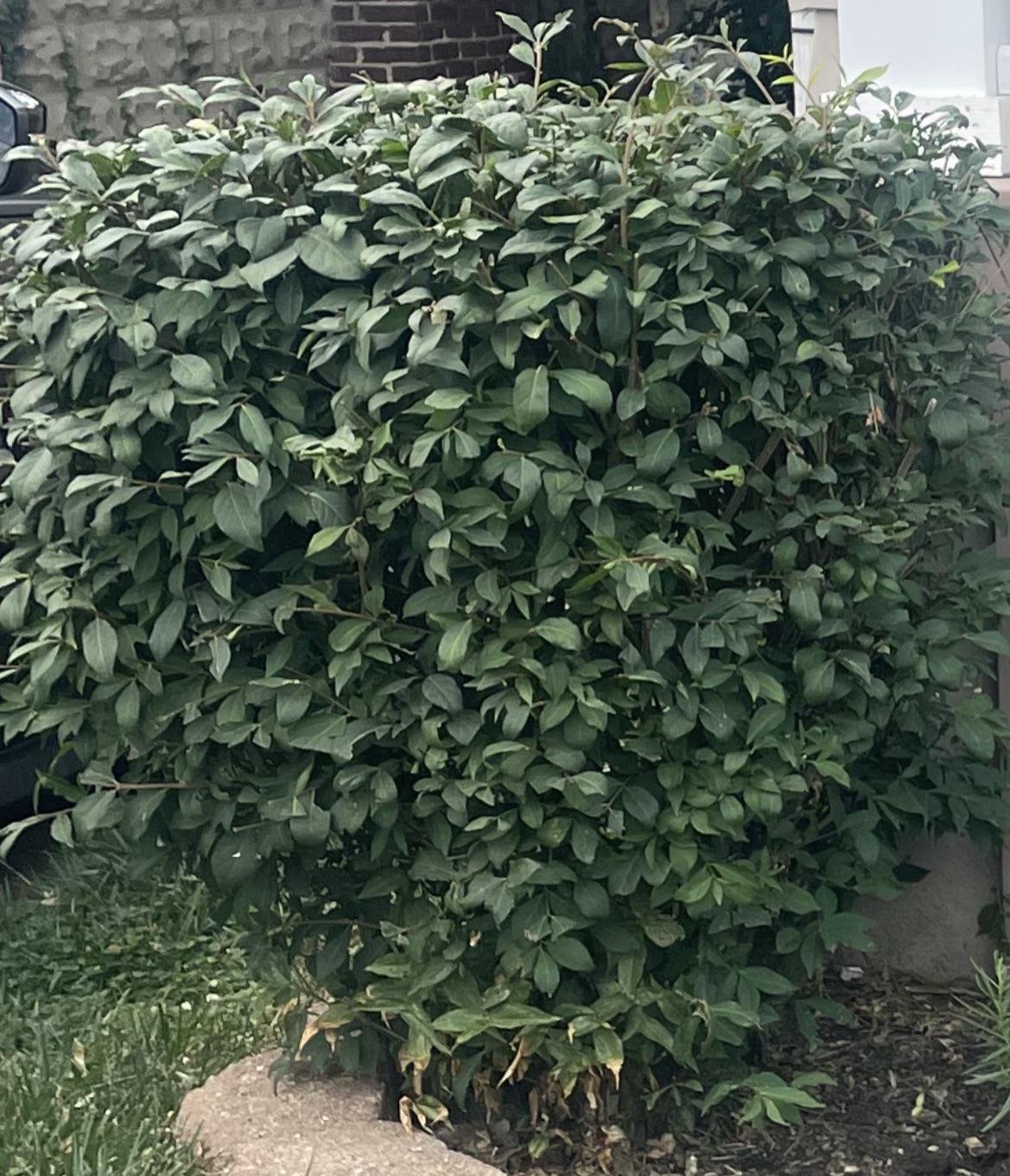
In the vast, verdant tapestry of the plant kingdom, names can sometimes lead us astray, conjuring images that don't quite match reality. Such is the case with the captivating "Bush Apple." If your mind immediately conjures rows of temperate orchard trees laden with crisp, red-skinned fruit, prepare for a fascinating botanical journey that will redefine your understanding. This comprehensive guide will equip you with the Botanical Profile & Identification of Bush Apples, unraveling their unique characteristics and clarifying their place in the natural world, far removed from the common apples found in your grocery store.
We're diving into the world of a truly distinct species, the Red Bush Apple, to understand its lineage, features, and the ecosystem it calls home. Forget what you think you know about "apples" for a moment, and let's explore a tropical treasure.
At a Glance: Bush Apples vs. True Apples
To cut through the confusion right away, here’s a quick snapshot of the key distinctions:
- Bush Apple (Syzygium suborbiculare):
- Family: Myrtaceae (same as eucalyptus, guava).
- Native to: Tropical Australia, Papua New Guinea.
- Climate: Thrives in tropical and subtropical regions.
- Leaves: Evergreen, glossy, ovate to elliptic.
- Fruit: Round, red, sweet, edible berry-like fruit; popular with wildlife.
- Chill Hours: Not applicable; no dormancy requirement like temperate apples.
- Pollination: Insect-pollinated.
- Ecosystem Role: Vital food source and habitat in rainforests.
- Cultural Significance: Traditional food and medicine for Aboriginal communities.
- True Apples (Malus Genus):
- Family: Rosaceae (same as roses, cherries).
- Native to: Asia (originating from Malus sieviersii).
- Climate: Predominantly temperate, requires "chill hours."
- Leaves: Deciduous, alternately arranged, typically serrated margins.
- Fruit: Pome (fleshy accessory fruit with a core containing seeds); vast varieties.
- Chill Hours: Essential for breaking dormancy and fruit production (100-1200+ hours).
- Pollination: Often self-sterile, requiring cross-pollination by insects.
- Ecosystem Role: Cultivated globally for human consumption, also provides food for wildlife.
- Cultural Significance: Universal symbol in many cultures, significant agricultural commodity.
Unpacking the "Bush Apple": Meet Syzygium suborbiculare
When we talk about the "Bush Apple" in an Australian context, we are almost exclusively referring to Syzygium suborbiculare, often known as the Red Bush Apple or Jumbun. This magnificent evergreen tree is a true gem of the Australian tropics, offering both ecological value and delicious fruit.
What Exactly Is a Bush Apple? Its Botanical Identity.
The Red Bush Apple belongs to the Myrtaceae family, a diverse group that includes well-known plants like eucalyptus, tea trees, and guava. This family is characterized by aromatic foliage and often features flowers with numerous prominent stamens. The genus Syzygium itself is large, comprising over 1,200 species found across tropical and subtropical regions of the Old World. The name Syzygium originates from the Greek word "syzygos," meaning "yoked together," a nod to how its flowers often appear in pairs. The specific epithet "suborbiculare" hints at its "somewhat circular" leaves.
Native to the tropical rainforests of Australia (primarily Queensland and New South Wales), and also observed in Papua New Guinea and other Pacific islands, this tree is perfectly adapted to its warm, humid environment. It's an integral part of its native ecosystem, playing a vital role in biodiversity.
Distinctive Features: The Bush Apple's ID Card
Identifying a Red Bush Apple in its natural habitat or even in cultivation is straightforward once you know what to look for. Its features are quite different from the apple trees you might be familiar with.
The Foliage: Rich Green and Glossy
The leaves of Syzygium suborbiculare are a key identifier. They are:
- Evergreen: They remain on the tree year-round, contributing to its dense, bushy canopy.
- Color: A vibrant, rich green, often with a glossy sheen that catches the light.
- Shape: Typically ovate to elliptic, meaning they are broadly oval with slightly pointed ends.
- Size: Generally up to 7 cm (about 2.7 inches) long.
- Arrangement: Usually opposite or sub-opposite along the stems.
- Texture: Leathery and smooth to the touch.
Unlike the deciduous leaves of Malus apples that change color and fall in autumn, the Bush Apple's persistent foliage offers continuous beauty and shade.
The Blooms: Clusters of Creamy Delight
In late spring to early summer, the Red Bush Apple bursts into bloom with striking clusters of small, delicate flowers.
- Color: Predominantly white or creamy white.
- Structure: They typically feature numerous prominent stamens, a common characteristic of the Myrtaceae family, giving them a slightly fluffy appearance.
- Arrangement: The flowers appear in attractive clusters, often at the ends of branches or in leaf axils.
- Pollinators: These blossoms are highly attractive to local pollinators, including various species of bees and butterflies, which are essential for fruit set.
The Fruit: A Sweet, Edible Tropical Treat
This is where the "apple" in "Bush Apple" comes into play, referring primarily to the fruit's general shape, though its botanical structure is different from a true pome.
- Shape & Size: The fruits are typically round, resembling small to medium-sized plums or cherries, usually between 2-5 cm in diameter.
- Color: They mature to a vibrant, appealing red, making them stand out against the green foliage.
- Flavor: The taste is generally sweet, with a unique, slightly tangy undertone, making them popular with both wildlife and humans.
- Texture: The flesh is often soft and somewhat juicy.
- Seeds: Each fruit contains one or more large seeds, which are dispersed by birds and other animals.
- Ecosystem Role: Bush Apple fruits are a crucial food source for native fauna, including birds, fruit bats, and various insects. This interaction is vital for seed dispersal, helping the species propagate naturally.
Bark & Form: Sturdy and Resilient
The Red Bush Apple grows into a medium-sized tree, typically reaching up to 10 meters (approximately 33 feet) tall in its natural environment.
- Canopy: It develops a dense, bushy canopy, providing excellent shade.
- Bark: The bark is generally smooth and grayish-brown, becoming slightly fissured with age.
- Growth Rate: Known for its relatively rapid growth, maturing and producing fruit within a few years.
- Reproduction: Primarily reproduces via seeds, but can also propagate vegetatively from suckers or cuttings.
Where Bush Apples Thrive: Habitat & Growing Conditions
Understanding the preferred environment of the Red Bush Apple is key to appreciating its natural distribution and considering its cultivation.
- Climate Preference: As a tropical species, it absolutely thrives in tropical and subtropical climates, characterized by warm temperatures year-round and moderate to high humidity.
- Soil Requirements: It prefers well-drained, rich soils. While it can tolerate various soil types, it performs best in sandy or volcanic loam, which provides good aeration and nutrient retention.
- Rainfall: Moderate rainfall is ideal. Once established, it shows a commendable tolerance to slight drought conditions, a testament to its resilience.
- Resilience: Generally a hardy species, adapted to its native conditions.
- Pests & Diseases: Like any plant, it's not entirely immune. It can be susceptible to common garden pests such as aphids, scale insects, and caterpillars. Fungal diseases like powdery mildew might also occur, especially in humid conditions with poor air circulation. Regular monitoring and organic pest control methods are recommended to maintain plant health.
Beyond the Bite: Cultural Significance & Uses
The Red Bush Apple is more than just a fruiting tree; it holds significant value in various contexts.
- Culinary Uses: The fruit is commonly eaten raw, directly from the tree. It's also utilized in cooking, making delicious jams, preserves, pies, and other desserts. Its unique flavor adds a tropical twist to culinary creations.
- Landscaping: Due to its attractive evergreen foliage, dense canopy, and edible fruit, the Bush Apple is increasingly used in native landscaping. It provides shade, aesthetic appeal, and attracts local wildlife, making it a sustainable choice for gardens, parks, and urban environments in suitable climates.
- Cultural Significance: For Australian Aboriginal communities, the Red Bush Apple holds deep cultural importance. It has been a traditional food source for millennia, prized for its nutritional value and distinctive taste. Beyond sustenance, it's also used in traditional medicine for various ailments, with different parts of the plant believed to have therapeutic properties.
- Conservation Status: The IUCN (International Union for Conservation of Nature) currently classifies Syzygium suborbiculare as "Least Concern," which is positive news. However, its natural populations still face threats from habitat loss due to ongoing urban development and agricultural expansion. Conservation efforts are focused on protecting its native rainforest habitats and promoting sustainable land use practices to ensure its long-term survival. Its adaptability also makes it an excellent candidate for native flora cultivation, including in urban settings, further aiding conservation through propagation.
The "True" Apples: Malus Genus – A World Apart
Now that we’ve intimately met the Bush Apple, let’s turn our attention to the more commonly recognized "apple" – the fruit of the Malus genus. Understanding their botanical profile is essential for clearly differentiating them from their tropical namesake. The vast differences highlight why precise botanical identification is so important.
Why the Confusion? Common Names Can Deceive
The English language often uses "apple" as a descriptive term for many round, fruit-bearing trees, especially those with some sweetness or tang. This is how the Red Bush Apple, despite its Myrtaceae lineage, acquired its common name. However, botanically, a "true apple" belongs exclusively to the Malus genus within the Rosaceae family, which also includes roses, pears, and cherries. These apples, domesticated over 4,000-10,000 years ago in Asia from Malus sieviersii, are a cornerstone of temperate agriculture worldwide.
Key Identifiers of Malus Apple Trees
Identifying a Malus apple tree is a different game entirely, driven by its distinct evolutionary path and adaptation to temperate climates.
The Foliage: Deciduous and Characteristically Textured
Malus apple trees are primarily deciduous, meaning they shed their leaves annually, typically in autumn, following a vibrant display of fall colors.
- Arrangement: Leaves are alternately arranged along the branches.
- Shape: Simple, unlobed, typically elliptic, ovate, or broadly elliptic.
- Size: Generally 2-4 inches long and 1.2-2.6 inches wide.
- Tips & Bases: Acute tips, with broadly cuneate or rounded bases.
- Margins: Characteristically serrated (saw-toothed), varying from obtusely serrate to serrate-crenate or nearly crenate.
- Stipules: Small, lanceolate, and deciduous stipules (less than 0.2 inches long) are often present at the leaf base, though they fall off.
- Texture: Young leaves and branches often exhibit distinct hairs (puberulent, pubescent, tomentose, or scurfy), a feature generally absent in Bush Apples.
The Flowers: Iconic Pink and White Blooms
Apple blossoms are iconic symbols of spring, arriving before or with the new leaves.
- Petals: Five free petals, typically obovate (teardrop-shaped), arranged in umbel-like panicles.
- Color: Pink in bud, opening to beautiful white, pinkish-white, or delicate pink flowers.
- Size: Individual flowers are usually 1.2-1.6 inches wide.
- Pedicels: They are borne on puberulous (finely hairy) pedicels (0.4-1 inch long).
- Sepals: Five tomentose (densely hairy) sepals persist at the base of the developing fruit.
- Stamens & Styles: Typically 20 stamens and five styles joined at the base.
The Fruit: The Classic Pome
The fruit of a Malus tree is botanically a pome, a type of accessory fruit that develops from the floral receptacle rather than just the ovary.
- Structure: It consists of a central core (containing the ovary, carpels, and seeds) surrounded by the edible, fleshy accessory tissue, which is derived from the enlarged floral hypanthium.
- Identification Features: Color, size, shape, and the presence of visible lenticels (small pores for gas exchange on the skin) are all key identification features used to distinguish the thousands of Malus varieties.
- Versatility: Eaten fresh, dried, baked, or processed into applesauce, cider, and juice.
Bark: From Smooth to Furrowed
- Young Trees: Bark is typically smooth and often features horizontal lenticels.
- Mature Trees: Matures into scaly plates or develops vertical, shallow furrows, usually dark gray or gray-brown.
Size & Form: Diverse and Grafted
Malus apple trees are often grafted onto specific rootstock to control their size and vigor.
- Sizes: Available in dwarf (8-10 ft), semi-dwarf (10-15 ft), and standard (15-25 ft) sizes, making them adaptable for different garden spaces.
Growing Standard Apples: A Different Rulebook
Cultivating Malus apples demands a different approach due to their temperate origins.
Chill Hours: A Critical Requirement
Perhaps the most significant difference from tropical Bush Apples is the chill hour requirement.
- Definition: Apple trees need a specific number of hours between 32-45°F (excluding temperatures below 32°F and subtracting hours above 60°F) to break dormancy and set fruit.
- Variety-Specific: These requirements vary dramatically by cultivar, from as low as 100+ hours (for USDA Zones 8-10, like the 'Dorsett Golden' or 'Tropical Anna') to over 1200+ hours (for colder USDA Zones 2-6, like 'Haralson' or 'Yellow Transparent'). This is why you won't find traditional apple orchards thriving in the true tropics where Bush Apples flourish.
Pollination: A Complex Dance
Most Malus apples are self-sterile, meaning they require pollen from a genetically distinct, compatible pollinator to set fruit. This is due to a self-incompatibility mechanism.
- Cross-Pollination: Requires at least two compatible varieties with overlapping bloom times (categorized into Flowering Groups 1-7).
- Triploid Varieties: Some varieties, like 'Liberty' or 'Gravenstein,' are triploid; they are self-sterile and also cannot effectively pollinate other trees, necessitating additional pollinators.
- Self-Fertile Varieties: While some, like 'Gala' or 'Golden Delicious,' are considered self-fertile, even these typically yield more fruit when cross-pollinated by a companion.
Soil & Sun: Temperate Preferences
- Soil: Best in well-drained, fertile soil, ranging from medium clay to sandy loam, benefiting from annual compost application.
- Sun: Generally requires full sun for optimal fruit production, though partial afternoon shade can be beneficial in very hot summer climates.
Harvesting & Storage: Pome Specifics
- Harvesting: For long storage, apples are typically harvested when mature but still firm, just before peak ripeness. For immediate eating, they can be left to fully ripen on the tree.
- Storage: Intact stems prolong storage. Fallen apples should be used immediately. Apples can oxidize and brown upon cutting, which can be mitigated with lemon or lime juice.
Common Maladies: A Different Set of Foes
Malus apples face specific pest and disease challenges distinct from those of tropical Syzygium species.
- Fungal Diseases: Apple Scab (fungal spots in cool, wet springs), Powdery Mildew (flour-like dust in high humidity), Cedar Apple Rust (requires juniper trees nearby).
- Bacterial Disease: Fire Blight (a serious bacterial disease requiring careful management, avoiding spring pruning and over-fertilizing).
- Management: Disease-resistant cultivars are available, and integrated pest management (IPM) strategies are crucial for successful cultivation.
A Glimpse into Malus Diversity
The world of Malus apples is incredibly diverse, with varieties bred for specific climates, flavors, and uses. From the tart 'McIntosh' and baking-favorite 'Granny Smith' to the sweet 'Fuji' and ultra-crisp 'Honeycrisp', each cultivar has its own personality. Varieties like 'Dorsett Golden' and 'Tropical Anna' were specifically developed with low chill hour requirements to thrive in warmer (but still not fully tropical) regions, illustrating the range of adaptation within the genus. Others, like the 'Arctic Apples,' represent modern genetic engineering to resist browning, showcasing continuous innovation in the industry.
Side-by-Side: Spotting the Differences (A Clear Comparison)
To consolidate your understanding and provide a quick reference for identification, here's a direct comparison of the Red Bush Apple (Syzygium suborbiculare) and "True" Apples (Malus genus). This table highlights the critical botanical and horticultural distinctions.
| Feature | Red Bush Apple (Syzygium suborbiculare) | True Apple (Malus Genus) |
|---|---|---|
| Family | Myrtaceae (e.g., eucalyptus, guava) | Rosaceae (e.g., roses, cherries, pears) |
| Native Region | Tropical Australia, Papua New Guinea | Central Asia (original), cultivated globally |
| Climate Required | Tropical/Subtropical, warm, humid | Temperate, requires distinct seasons (cold winters) |
| Leaves | Evergreen, glossy, ovate-elliptic, simple, up to 7cm | Deciduous, alternately arranged, serrated, 2-4” long |
| Flowers | White/creamy clusters, numerous stamens | Pink buds opening to white/pink, 5 petals, umbel-like |
| Fruit Type | Fleshy berry-like fruit (botanically a drupe or berry) | Pome (accessory fruit from receptacle), central core |
| Fruit Description | Round, red, sweet, soft flesh, large seeds | Round/conical, diverse colors/flavors, crisp/mealy flesh, small seeds |
| Chill Hours | Not applicable (no dormancy requirement) | Essential: 100-1200+ hours (variety dependent) |
| Pollination | Insect-pollinated (bees, butterflies) | Often self-sterile, requires cross-pollination |
| Bark | Smooth, grayish-brown | Smooth (young) to scaly/furrowed (mature), gray-brown |
| Typical Size | Up to 10 meters (33 ft) tall | Dwarf (8-10 ft) to Standard (15-25 ft), often grafted |
| Uses | Fresh eating, jams, traditional medicine, landscaping | Fresh eating, cooking, juice, cider, drying, global agriculture |
| Conservation Status | Least Concern (IUCN), threatened by habitat loss | Widespread cultivation, specific heritage varieties conserved |
| This comparison underscores the fundamental differences that define each species. While both offer edible fruit, their botanical origins, growth habits, and environmental needs are worlds apart. |
Beyond Identification: Cultivating Your Knowledge
Understanding the botanical profile of the Red Bush Apple and its distinct identity from traditional Malus apples is more than just an academic exercise. It empowers you with practical knowledge for appreciation, cultivation, and informed decision-making. If you're eager to Discover the Bush Apple further, whether in your garden or its natural habitat, this foundational knowledge is your first step.
For the Enthusiast: Growing Bush Apples
If you live in a suitable tropical or subtropical climate (USDA Zones 10-12 typically), cultivating a Red Bush Apple can be a rewarding endeavor.
- Site Selection: Choose a location with full sun to partial shade and well-drained, rich soil.
- Watering: Provide moderate, consistent moisture, especially during dry spells and when young.
- Protection: Monitor for pests and diseases, and use organic methods for control.
- Benefits: Enjoy fresh, unique fruit, attract native wildlife, and contribute to biodiversity with a hardy native species perfect for urban environments.
For the Curious: Further Exploration
The world of Syzygium is vast and full of other fascinating species, many of which produce edible fruits known by local names. Similarly, the Malus genus offers an incredible diversity of apples, each with its own story, flavor profile, and horticultural requirements. Continue to explore these rich botanical families, noting their adaptations and contributions to both natural ecosystems and human culture.
Common Questions & Misconceptions: Debunked
Q: Are Bush Apples and regular apples related?
A: No, botanically they are from completely different plant families. Bush Apples are in the Myrtaceae family, while regular apples are in the Rosaceae family. They are only related in the broadest sense of being fruit-bearing plants.
Q: Can I grow a Bush Apple in a temperate climate?
A: No, Syzygium suborbiculare requires tropical or subtropical conditions and cannot tolerate the cold winters or chill hours required by temperate apples. It is not cold-hardy.
Q: Do Bush Apples need chill hours?
A: Absolutely not. Chill hours are a requirement for temperate fruit trees like Malus apples to break dormancy. Bush Apples are evergreen tropical trees and have no such requirement.
Q: Are all "bush apples" the same species?
A: The term "bush apple" might colloquially refer to other native Australian fruits, but Syzygium suborbiculare is the primary species identified with this common name and its distinct profile. Always use scientific names for precise identification.
Your Next Steps in Botanical Discovery
Armed with a deeper understanding of the botanical profile and identification features of both the Red Bush Apple and its Malus counterparts, you are now equipped to navigate the fascinating world of fruit trees with greater clarity and confidence. Whether you're a home gardener, a nature enthusiast, or simply a curious consumer, distinguishing between these "apples" opens up new avenues of appreciation for biodiversity.
Take this knowledge with you. The next time you encounter a fruit tree, pause to consider its leaves, its growth habit, its climate, and its fruit structure. Is it deciduous or evergreen? Are its flowers delicate five-petaled blooms, or do they boast a flurry of stamens? By asking these questions, you’ll not only identify the tree correctly but also connect more deeply with the intricate stories each species tells about its origins and its place in the world. Enjoy the ongoing journey of botanical discovery!