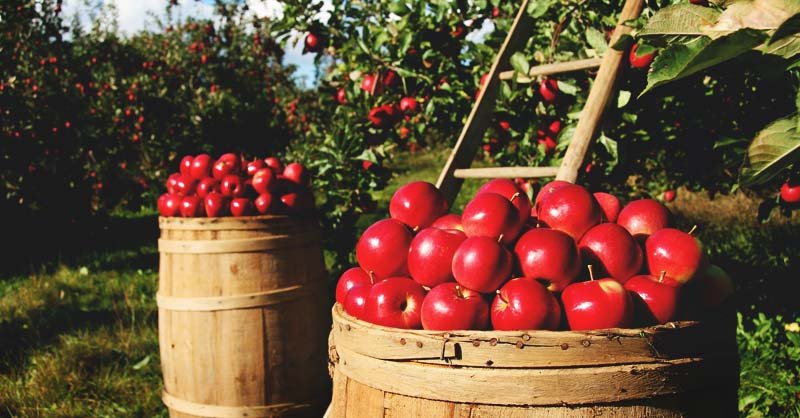
If you've ever dreamt of stepping into your garden and plucking a crisp, sweet apple straight from the branch, you're in good company. Cultivation & Growing Bush Apples in Your Garden is not just a dream for sprawling orchards; it's entirely achievable for home gardeners, even those with limited space. Imagine the taste of a freshly picked Fuji or a zesty Granny Smith, warmed by the sun – that's the kind of reward we're talking about.
This guide will walk you through everything you need to know to make those apple-picking dreams a reality, focusing on the highly manageable "bush apple" forms (dwarf and semi-dwarf trees) that fit perfectly into most garden landscapes.
At a Glance: Your Bush Apple Success Kit
- Choose Wisely: Select varieties suited to your hardiness zone and chill hours, ensuring proper pollination.
- Location, Location, Location: Aim for full sun (8+ hours), well-drained soil (pH 6.0-7.0), and a sheltered spot.
- Planting Prowess: Plant dormant trees in late fall to early spring, preparing a generous hole with soil amendments.
- Water Wonders: Consistent moisture is key, especially for young trees, but avoid waterlogging.
- Feed & Foster: Annual compost, mulch, and mindful nutrient management will keep your tree thriving.
- Prune for Plenty: Regular dormant pruning shapes the tree, promotes light penetration, and encourages abundant fruit.
- Thinning for Taste: Space fruit properly to ensure larger, healthier apples and prevent branch damage.
- Pest Patrol: Focus on prevention, resistant varieties, and organic control methods to keep invaders at bay.
- Pollination Partners: Most apples need a compatible partner nearby to produce fruit.
- Patience Pays: Expect your first harvest in 2-5 years, depending on the rootstock.
Your Apple Oasis: Why "Bush Apples" Are a Gardener's Best Friend
When we talk about "bush apples" in the home garden, we're typically referring to apple trees grafted onto dwarfing or semi-dwarfing rootstocks. These incredible horticultural innovations allow apple trees to remain compact – generally between 8-15 feet tall – making them perfect for smaller yards, container growing (for some dwarf varieties), and easier maintenance.
Unlike their towering standard counterparts, these smaller trees bear fruit sooner, often within 2-5 years of planting, bringing that homegrown apple experience into reach much faster. They simplify tasks like pruning, thinning, and harvesting, transforming a potentially daunting agricultural endeavor into a delightful garden project.
Unearthing Your Ideal Apple: Hardiness, Sunlight, and Soil
Before you even think about planting, understanding your garden's unique conditions and aligning them with an apple tree's needs is paramount. This foundational step ensures your tree has the best possible start.
Decoding Hardiness Zones and Chill Hours
Apple trees are remarkably resilient, generally thriving in USDA Hardiness Zones 3-8. However, they're picky about their "winter nap." Most varieties require a specific number of chill hours – hours below 45°F (7°C) – to properly set fruit. This can range from 500 to 1,000 hours.
- Low-Chill Varieties: If you live in warmer regions (Zones 9-10), don't despair! Varieties like Lady Pink, Fuji, Gala, Granny Smith, Gravenstein, and Jonagold need less than 400 chill hours, opening up the world of homegrown apples to more southern climates. Always check the specific chill hour requirement for any variety you consider.
The Sun's Embrace: Why Location Matters
Apples are sun worshippers. For optimal growth and fruit production, your bush apple tree needs full sun, meaning at least 8 hours of direct sunlight per day. A sun-drenched location helps the tree photosynthesize efficiently, ripen fruit properly, and can even reduce disease pressure.
Beyond the sun, choose a spot that offers some shelter from strong winds, which can damage young branches or blow off blossoms and developing fruit. A frost-free position is also ideal, especially for tender young blooms.
Soil Savvy: Laying the Groundwork
The right soil is the backbone of a healthy apple tree. Apples prefer deep, loamy, moderately fertile, medium-moisture, well-drained soils with a pH between 6.0 and 7.0.
- Well-drained is key: Apple roots hate sitting in soggy conditions, which can lead to root rot. If you have heavy clay, you'll need to amend it significantly or consider planting in a raised bed.
- Test your soil: A simple soil test (available at garden centers or through your local extension office) will tell you your soil's pH and nutrient profile, guiding any necessary amendments.
- Amendments for success: To improve drainage and fertility, incorporate plenty of organic matter like well-rotted compost, peat moss (if your soil is too alkaline), and a handful of bonemeal when preparing your planting hole.
Sizing Up Your Options: Rootstocks and Their Role
The "bush apple" concept largely hinges on the magic of rootstocks. An apple tree is typically two plants in one: the desired apple variety (the scion) grafted onto the root system of another apple tree (the rootstock). This rootstock dictates the mature size of the tree and how quickly it bears fruit.
- Dwarf Rootstocks: These produce trees that reach 8-10 feet (2-3 m) tall. They're perfect for small gardens, containers, espaliers, or intensive planting systems. They fruit earliest, often in 3-4 years.
- Semi-Dwarf Rootstocks: Offering a happy medium, these trees grow 12-15 feet (3-5 m) tall. They are still very manageable for home gardens, provide good yields, and fruit in 4-6 years.
- Standard Rootstocks: These are the giants, reaching 18-25 feet (5-8 m) and taking 6-10 years to bear fruit. While they offer the largest yields, they are typically too large for most home gardens.
Note: The rootstock affects the size of the tree and when it fruits, but not the size of the apples themselves. A dwarf tree will produce full-sized apples of its variety.
Some varieties, like Granny Smith, Jonagold, Honeycrisp, and Red Delicious, are known as precocious – they tend to bear fruit a year or so earlier than average, regardless of their rootstock.
The Pollination Puzzle: Finding Your Apple's Perfect Partner
Most apple varieties are self-incompatible. This means a single apple tree cannot pollinate itself and produce fruit. It needs a different, compatible apple cultivar that flowers at the same time to cross-pollinate. Think of it as a botanical matchmaking service.
The Art of Apple Matchmaking:
- Choose Two Different Cultivars: You'll need at least two distinct apple varieties.
- Synchronized Bloom Times: Ensure your chosen varieties belong to the same or adjacent pollination groups (these groups are categorized by their bloom season). A nursery tag or catalog will usually provide this information.
- Proximity is Key: Plant your pollinator partners within 60 feet (20 m) of each other. Bees and other pollinators are excellent at doing the hard work, but they need to be able to easily travel between the trees.
- Beware of Triploids: Some varieties, known as triploids (e.g., Gravenstein, Jonagold, Mutsu), have an extra set of chromosomes. While they are often excellent fruit producers, they do not produce viable pollen and thus cannot fertilize other apples. If you choose a triploid, you'll need two other compatible non-triploid varieties to ensure proper pollination for all three.
To further encourage successful pollination, consider planting your trees near areas frequented by bees and butterflies, or incorporate bee-attracting companion plants.
Planting Your Bush Apple: A Step-by-Step Guide
The moment of planting is critical. Doing it correctly sets your apple tree up for a lifetime of health and productivity.
When to Plant
The best time to plant dormant, bare-root apple trees is from late fall until early spring, after the danger of hard frosts has passed and the ground can be worked. If planting a container-grown tree, you have a bit more flexibility, but spring or fall are still ideal, as they allow the tree to establish roots before extreme summer heat or winter cold.
Preparing the Site and Hole
Remember that well-drained, fertile soil we talked about? Now's the time to prepare it.
- Dig Wide, Not Just Deep: Dig a planting hole at least twice as wide as the spread of the tree's roots and about 2 feet deep. This gives the roots plenty of loosened soil to expand into.
- Amend the Soil: Mix the excavated soil with plenty of organic matter – compost, aged manure, or peat moss. If your soil test indicated deficiencies, add bonemeal for phosphorus and calcium, or a balanced organic fertilizer.
- Soak the Roots: If planting a bare-root tree, soak its roots in a bucket of water for a few hours before planting.
The Planting Process
- Create a Mound: Form a small mound of soil at the bottom of the planting hole.
- Position the Tree: Place the tree on top of the mound, spreading the roots out evenly. The critical part is ensuring the graft union (the slightly swollen knob where the scion meets the rootstock) is 2-4 inches above the soil line. If the graft union is buried, the scion might root, negating the dwarfing effect of the rootstock.
- Backfill Gently: Carefully backfill the hole with your amended soil, gently firming it around the roots to remove air pockets. Don't pack it down too hard.
- Water Thoroughly: Water generously immediately after planting to help settle the soil and provide essential moisture.
- Stake for Support: Young dwarf and semi-dwarf trees, especially those with heavy fruit loads, often benefit from staking for their first few years to provide stability against winds.
Spacing Considerations
Proper spacing is vital for air circulation, sunlight penetration, and preventing competition for nutrients.
- Dwarf Trees: Space them about 10 feet apart.
- Semi-Dwarf Trees: Allow 12-15 feet between trees.
- Standard Trees: Require 20 feet or more.
For a mixed planting, an average of 15 feet between non-standard trees is a good general guideline.
Nurturing Your Apple: Essential Care and Maintenance
Once your apple tree is in the ground, a consistent care regimen will ensure its health and productivity for years to come.
Watering Wisdom
Young apple trees, especially in their first three years, need consistent moisture to establish a strong root system. Aim for about 2 inches of water per week, either from rainfall or irrigation. As trees mature, they become more tolerant of drier spells but still appreciate lightly moist soil.
- Feel the soil: Stick your finger 2-3 inches into the soil. If it feels dry, it's time to water.
- Water deeply: Apply water slowly at the base of the tree, allowing it to penetrate deeply into the root zone. Avoid overhead watering, which can encourage fungal diseases.
- Avoid waterlogging: While moisture is good, soggy soil is detrimental. Ensure good drainage.
Feeding Your Tree: Nutrient Management
Apples are not heavy feeders, but a consistent supply of organic nutrients will keep them robust.
- First Three Years: Focus on encouraging root growth. Avoid heavy nitrogen fertilizers which promote leafy growth at the expense of roots and fruit.
- Annual Compost Ring: Each year, spread a 2-inch thick ring of well-rotted compost around the base of the tree, starting 6 inches away from the trunk and extending to the drip line. This provides a slow release of nutrients and improves soil structure.
- Bone Meal Boost: If your soil test indicates low phosphorus or calcium, add about 1 pound of bone meal per tree annually, incorporating it lightly into the soil around the drip line.
- Mulch Magic: Apply a 4-inch layer of organic mulch (straw, wood chips, shredded bark) in a ring, again 6 inches away from the trunk. Mulch suppresses weeds, conserves soil moisture, regulates soil temperature, and slowly adds organic matter as it breaks down.
- Cover Crops: Consider planting cover crops like clover around your trees. Clover is a nitrogen-fixer, enriching the soil, and also helps reduce erosion.
The Art of Pruning: Shaping for Success
Pruning is arguably the most intimidating aspect of fruit tree care for many, but it's essential for a healthy, productive apple tree. It allows light and air to penetrate the canopy, encourages new fruiting wood, and maintains the tree's structure.
- When to Prune: The best time for major structural pruning is in late winter when the tree is dormant. This allows you to clearly see the tree's structure without leaves in the way. Summer pruning can be beneficial for specific goals like ripening fruit or controlling excessive growth, especially for cordons, espaliers, and pyramids.
- Tools of the Trade: Invest in sharp, clean pruning tools: hand pruners for small twigs, loppers for branches up to 1.5 inches thick, and a pruning saw for larger limbs. Pole pruners can help reach higher branches.
- What to Remove:
- Dead, Damaged, or Diseased Branches: Always remove these first to prevent disease spread and improve tree health.
- Water Spouts and Suckers: These are vigorous, upright shoots that don't typically produce fruit and drain the tree's energy.
- Inward-Growing or Crossing Branches: Remove branches that grow towards the center of the tree or rub against other branches, which can create wounds and entry points for disease.
- Weak or Competing Leaders: If your tree is developing multiple strong vertical shoots, choose one central leader to maintain.
- How to Cut: Make clean cuts just outside the branch collar (the swollen ring of tissue at the base of a branch). Avoid cutting flush with the trunk, as the branch collar contains special cells that help the wound heal.
- Shaping Your Tree: After the third year, start shaping your tree into a central leader style. This involves a main vertical trunk with several tiers of well-spaced scaffold branches extending at about a 45-degree angle. This structure is strong and allows for good light penetration.
For a deeper dive into pruning strategies, you might want to exploreadvanced pruning techniquestailored for different tree forms.
Thinning for Bigger, Better Apples
Once your apple tree becomes productive, it might set too much fruit. While exciting, this can lead to several problems: small, underdeveloped apples; increased risk of disease due to poor air circulation; and even branch breakage under the weight of the crop.
- When to Thin: Thinning is typically done in late spring or early summer, after the tree's natural "June drop" when it sheds some of its excess fruit.
- How to Thin: Manually remove smaller, damaged, or poorly spaced apples. Aim to space the remaining fruit about 6-8 inches (15-20 cm) apart along the branch. It feels counterintuitive to remove fruit, but trust the process – it pays off in quality.
Guarding Against Garden Gremlins: Pests and Diseases
Organic cultivation of apples is absolutely achievable, but it requires vigilance and a proactive approach to managing common pests and diseases.
Prevention is Your Primary Defense
- Sanitation: Maintain a neat orchard. Promptly prune out and dispose of any dead or diseased limbs. Rake up and destroy fallen leaves and diseased fruit, which can harbor overwintering pathogens and pests.
- Resistant Varieties: This is your first and best line of defense. When selecting varieties, prioritize those known for resistance to common problems like apple scab, powdery mildew, and fire blight. Cortland, Honeycrisp, McIntosh, and Red Delicious show good resistance to some of these issues.
- Proper Spacing and Pruning: As discussed, good air circulation reduces humidity, which can deter many fungal diseases.
Common Culprits: Know Thy Enemy
Pests:
- Aphids: (Woolly, rosy apple) Small, soft-bodied insects that suck sap from leaves, causing distortion.
- Codling Moth: Larvae tunnel into apples, creating "wormy" fruit.
- Apple Maggot: Another internal fruit destroyer, leaving tunnels and rot.
- Caterpillars: Various species can defoliate trees.
- Mites: (Fruit tree red spider mites) Tiny pests that cause stippling on leaves.
- Apple Tree Borer: Larvae tunnel into trunks and branches, weakening the tree.
- Japanese Beetle: Chew holes in leaves and fruit.
Diseases: - Apple Scab: Fungal disease causing olive-green to brown spots on leaves and fruit.
- Powdery Mildew: White, powdery patches on leaves and shoots, often distorting growth.
- Fire Blight: Bacterial disease causing shoot tips to look "burned" and can quickly spread.
- Apple Canker: Sunken, discolored lesions on bark, weakening branches.
- Black Rot, Sooty Blotch, Flyspeck: Fungal issues affecting fruit appearance.
Your Organic Arsenal: Tools and Techniques
- Encourage Beneficial Predators: Create a welcoming habitat for natural enemies of pests. Lady beetles and lacewings feast on aphids. Birds, Trichogramma wasps, and Anagrus mymarid wasps can help control caterpillars and other insects.
- Traps: Pheromone traps for codling moths or sticky traps for apple maggots can monitor populations and even reduce them in smaller orchards. Japanese beetle traps can be effective if placed strategically away from the trees themselves.
- Organic Sprays:
- Neem Oil: Disrupts insect feeding and growth cycles, effective against many soft-bodied pests.
- Horticultural Oil (dormant oil): Applied in late winter, smothers overwintering insect eggs and larvae.
- Kaolin Clay: Forms a protective barrier on leaves and fruit, deterring pests like apple maggot and Japanese beetle.
- Kelp: Can boost tree health and resilience.
- Peppermint/Rosemary Oil: Can act as a repellent.
- Organic Miticides: For severe mite infestations.
- Cultural Practices:
- Clean Up Debris: Rake and burn fallen leaves and fruit to break disease cycles.
- Borer Patrol: Regularly inspect trunks for borer holes and dig out larvae with a wire if found.
- Whitewash Trunks: A diluted white latex paint (mixed with water) can protect young trunks from sunscald and deter borers.
For more detailed information on specific issues, refer to resources likeorganic pest solutions for applesor consult your local agricultural extension.
The Power of Companionship: Plants and Livestock
The relationships between plants and animals in your garden can profoundly impact the health and productivity of your apple trees. Strategic planting and animal integration can enhance pollination, deter pests, and improve soil fertility.
Best Plant Companions (Attract Pollinators & Beneficials):
These plants help draw in the good guys – bees for pollination and predatory insects that tackle pests.
- Comfrey
- Nasturtium
- Chamomile
- Coriander
- Dill
- Fennel
- Basil
- Lemongrass
- Mint (plant in a contained area as it can be invasive)
- Chives
- Garlic
Worst Plant Companions:
Some plants compete too much for resources or host unwanted pests.
- Grass: Competes directly with young apple trees for water and nutrients. Keep a mulch ring free of grass around your trees.
- Potatoes: Can attract pests that also bother apple trees.
Helpful Livestock: Nature's Little Helpers
Integrating certain animals can be a fantastic way to manage your orchard organically.
- Geese and Ducks: Excellent pest control, especially for slugs, snails, and fallen fruit (which harbor apple maggots).
- Chickens: Also great for pest control, scratching up insects in the soil, and providing soil aeration and fertilizer. Ensure they don't scratch at young tree roots or eat too many low-hanging fruits.
- Sheep: Can act as natural lawnmowers, keeping grass down between trees and fertilizing. Crucially, they typically don't browse on tree bark or leaves if sufficient grass is available. However, monitor them to prevent accidental damage to young trees.
Unsuitable Livestock:
- Goats: Browsers by nature, goats will strip bark and leaves from apple trees, causing significant damage. Keep them well away from your orchard.
- Horses: While their manure is beneficial, horses can rub against tree trunks, causing damage. If using horse manure as fertilizer, ensure it is well-composted.
From Blossom to Basket: Harvesting and Storage
The ultimate reward for all your hard work is a bountiful harvest. Knowing when and how to pick your apples, and then how to store them, maximizes your enjoyment.
When to Expect Your First Fruit
Apple trees typically begin bearing fruit 2-5 years after planting, largely depending on the rootstock used (dwarf rootstocks fruit earliest). Patience is a virtue in gardening, and the wait for those first apples is well worth it!
Knowing When to Pick
Apples don't all ripen at once, even on the same tree. You'll likely be harvesting over several weeks. Here's how to tell if an apple is ready:
- Color Change: The green background color should fade, and the apple should develop its characteristic ripe color (red, yellow, or a blush) for the variety.
- Ease of Picking: A ripe apple will detach easily from the branch with a gentle twist and lift. If you have to tug hard, it's not ready.
- Taste Test: The best indicator! Pick one, slice it open, and taste. It should be crisp, sweet (or tart, depending on variety), and flavorful. Avoid picking purely based on color, as some apples color up before they're fully ripe.
- Seed Color: The seeds inside should be dark brown or black.
Harvesting Techniques
- Gentle Touch: Always pluck apples carefully, leaving the stem intact. Apples without stems tend to spoil faster.
- Twist and Lift: Cup the apple in your hand, gently twist it upwards, and lift. It should separate from the spur easily.
- Don't Drop: Bruised apples don't store well. Place them gently into your basket.
- Frozen Apples: If apples have frozen on the tree due to an early hard frost, let them thaw completely before harvesting. Use these apples sooner rather than later, as their texture may be compromised.
Storing Your Bounty
With proper storage, your homegrown apples can last for months, providing fresh fruit long after the harvest season.
- The Golden Rule: Sort your apples. Any bruised, damaged, or diseased apples should be set aside for immediate use or discarded, as "one bad apple spoils the bunch" is true! Damaged apples release ethylene gas, which accelerates the ripening and spoilage of other apples nearby.
- Cool and Dry: The ideal storage conditions are cool and dry, with temperatures below 45°F (7°C) and moderate humidity. A root cellar, unheated basement, or even a spare refrigerator crisper drawer can work.
- Separate and Protect: Store apples in single layers, if possible, or individually wrapped in newspaper to prevent them from touching and spreading rot.
- Monitor Regularly: Check your stored apples periodically and remove any that show signs of spoilage.
You'll be able to enjoy your delicious harvest for weeks, transforming them into pies, sauces, ciders, or simply enjoying them fresh off the branch (or out of storage!).
Your Journey to Fresh Apples Starts Now
Cultivating and growing bush apples in your garden is an incredibly rewarding experience. From the first delicate blossoms to the satisfaction of biting into a crisp, homegrown apple, every stage offers its unique charm. You now have the foundational knowledge to select the right varieties, prepare your garden, nurture your trees, and protect your precious fruit.
Remember, gardening is a continuous learning process. Observe your trees, adapt to your local conditions, and don't be afraid to experiment. With a little care and attention, your garden will soon be a source of abundant, delicious apples, making you wonder why you didn't start sooner. For a deeper dive into all things apple, explore our Complete guide to bush apple resources. Happy growing!