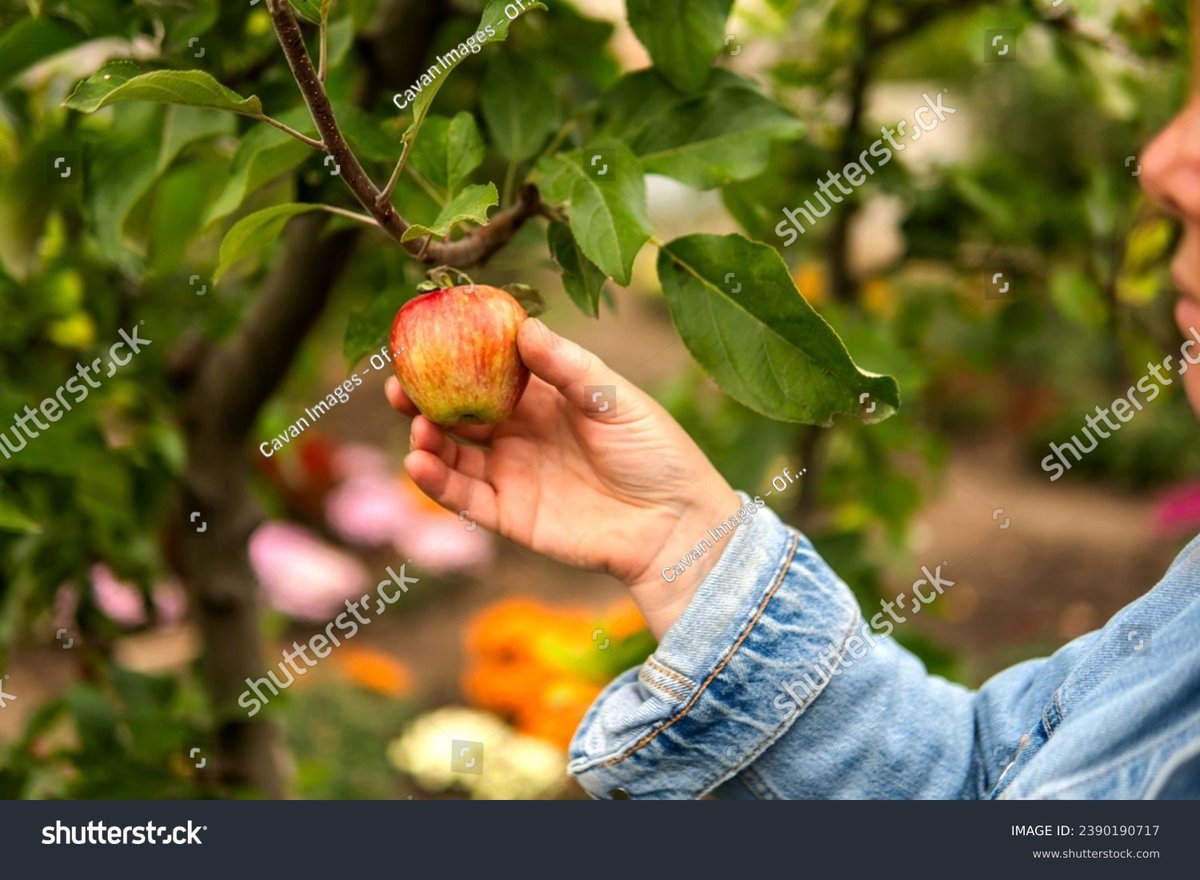
The sun hangs low, painting the landscape in hues of ochre and gold, casting long shadows across gnarled trees. A gentle breeze rustles through the leaves, carrying the earthy scent of the wild. You stoop, eyes scanning the undergrowth, until a cluster of small, vibrant fruits catches your eye – the promise of a wild bush apple. This isn't just about picking berries; it's an invitation to connect with nature on a deeper level, a mindful dance known as Foraging & Ethical Harvesting of Wild Bush Apples.
Foraging offers a unique blend of adventure, culinary delight, and a profound sense of place. But with great bounty comes great responsibility. To truly honor the land and ensure future harvests, we must approach wild foods, especially delicate ecosystems that produce bush apples, with respect, knowledge, and a commitment to ethical practices.
At a Glance: Essential Takeaways for Bush Apple Foraging
- Prioritize Identification: Always be 100% certain of your plant. Bush apples can have toxic look-alikes.
- Respect the Rules: Understand local regulations, private property lines, and cultural protocols.
- Harvest Sustainably: Follow the "1-in-20 rule" – take no more than 5% of a population. Leave the best to regenerate.
- Gentle Hands Only: Pick fruit carefully, minimizing disturbance to the plant and its surroundings.
- Leave No Trace: Pack out everything you bring in. The goal is to leave the area better than you found it.
- Connect & Give Back: See yourself as a steward. Learn, observe, and consider ways to support the ecosystem.
Discovering the Wild Bush Apple: A Taste of the Untamed
The term "bush apple" often conjures images of Australia's vibrant native fruits, a diverse group of indigenous plants that have sustained Aboriginal communities for millennia. While specific species vary by region – from the tart Riberry (often called a 'bush cherry' but similar in spirit) to the vitamin C-rich Kakadu Plum or other Syzygium species – they share a common thread: small, often tart or tangy fruits growing on hardy shrubs or small trees, perfectly adapted to their environment.
What Makes Them Special?
Beyond their unique flavor profiles, bush apples offer a glimpse into the complex biodiversity of wild landscapes. Many are packed with nutrients, antioxidants, and compounds not found in cultivated fruits. Their resilience in challenging climates speaks to the incredible adaptive power of nature. Foraging them isn't just about food; it's about appreciating a living legacy.
Why Bother Foraging When Supermarkets Exist?
The reasons are manifold. For some, it's the unparalleled freshness and flavor that only wild foods offer. For others, it's the joy of self-sufficiency, reducing reliance on industrial food systems. And for many, it's the deep connection to nature, a chance to slow down, observe, and participate in the natural cycle of abundance. It's a skill that reconnects us to ancient traditions and builds resilience, both personally and communally.
However, this profound connection hinges entirely on one principle: ethics.
The Foundation: Why Ethical Foraging Matters (More Than Just Picking Berries)
Imagine a forest stripped bare, its plant life decimated, its soil eroded. This isn't an exaggeration; it's the potential consequence of uninformed, disrespectful foraging. Ethical foraging, as defined by experts and ancient wisdom, isn't merely a set of rules; it's a philosophy, a mindful practice of harvesting wild resources with profound respect for biodiversity, ecosystems, and future generations. The aim is to leave the environment better, or at least no worse, than you found it.
Connecting with the Land, Not Just Taking
At its heart, ethical foraging embodies several core principles:
- Sustainability: The absolute golden rule. Can the plant regenerate after you've harvested from it? Will there be enough for wildlife, other foragers, and the plant's own survival? Sustainable practices ensure the resource remains abundant for years to come.
- Respect: This means honoring the life of the plant, the soil it grows in, and the entire ecosystem it supports. It’s a recognition that you are part of, not above, nature.
- Reciprocity: Beyond just taking, ethical foraging often involves giving back. This could be scattering seeds, helping to clear invasive species, advocating for conservation, or simply offering gratitude. It's about fostering a reciprocal relationship, a give-and-take that enriches both land and forager.
- Legal Awareness: Understanding and adhering to local laws, regulations, and private property rights is non-negotiable. Many wild areas have specific rules about what can be harvested, by whom, and in what quantities. Ignorance is not an excuse.
The Risks of Reckless Harvesting: A Cautionary Tale
Without ethical guidelines, what seems like a harmless hobby can quickly become a destructive force. We've seen it with popular wild foods like ramps in the Eastern US, where entire patches have been dug up, leading to their decline. Overharvesting can cause:
- Species Depletion: Pushing wild populations, especially slow-growing or specialized species, towards endangerment.
- Soil Erosion: Disturbance of soil, particularly when digging roots or pulling up plants, can lead to erosion, harming the delicate soil microbiome.
- Spread of Invasive Species: Unwittingly carrying seeds or plant parts from one area to another can introduce non-native species that outcompete native flora.
- Loss of Indigenous Knowledge: Disregarding traditional land management practices and harvesting protocols can undermine centuries of sustainable wisdom.
Ethical foraging is a delicate balance, ensuring human needs and desires are met without compromising the ecological integrity of our shared natural world.
Your Essential Foraging Toolkit & Preparation
Before you even step foot in the bush, preparation is key. A well-equipped forager is a responsible forager.
What to Bring:
- Reliable Identification Guide: A regional field guide specific to edible and toxic plants, or a reputable app (used with caution and cross-referencing). This is your most important tool.
- Collection Basket/Bag: A breathable basket or cloth bag is ideal for fruit, allowing air circulation to prevent spoilage. Avoid plastic bags that can sweat and bruise delicate fruits.
- Sharp Knife or Shears: For clean cuts if harvesting stems or tougher parts (though for bush apples, often just hands are needed).
- Gloves: Optional, but useful for protecting hands from thorns or irritants.
- Water Bottle: Stay hydrated.
- Snacks: For energy, especially on longer trips.
- First-Aid Kit: Small, basic kit for scrapes or insect bites.
- Map/GPS & Compass: Crucial for navigation, especially in unfamiliar territory. Your phone's GPS can be a lifesaver, but always have a backup plan.
- Sun Protection: Hat, sunscreen, appropriate clothing.
- Insect Repellent: Depending on the season and location.
- Small Trowel or Stick: For carefully re-covering disturbed soil (avoid excessive digging).
Before You Go: Research & Respect
- Local Laws & Land Ownership: This is paramount. Is the land public or private? Are permits required? Are there any protected species in the area? Contact local land management agencies (e.g., national parks, state forests) for clarity.
- Permission: If foraging on private land, always obtain explicit permission from the landowner.
- Specific Plant Identification: Even if you think you know a bush apple, research specific look-alikes in your region. Some bush apples might have toxic cousins. Double-check characteristics like leaf shape, flower structure, fruit color, and growth habit.
- Weather Check: Dress appropriately and be aware of any potential hazards.
- Tell Someone: Inform a friend or family member of your foraging location and expected return time.
Mastering the Harvest: A Step-by-Step Ethical Guide for Bush Apples
Now, let's get into the practical art of harvesting these wild treasures, ensuring every pick is a conscious one.
1. Know Your Bush Apple: Beyond a Hunch
Accurate identification isn't just a suggestion; it's a life-saving skill. Foraging any wild food without absolute certainty of its identity is gambling with your health.
- Multiple Confirmations: Use multiple reliable sources. Compare your bush apple find to several field guides, reputable online databases, and if possible, cross-reference with an experienced local forager. Pay attention to common look-alikes in your region; some bush apples may have berries that resemble toxic ones.
- Understand Life Cycles: Bush apples, like all plants, have specific seasons for fruiting. Harvesting when the fruit is ripe ensures the best flavor and means the plant has completed its reproductive cycle, making your harvest part of its natural shedding process. Don't strip immature fruit; give it time to ripen and contribute to the seed bank.
- Deep Dive into Bush Apples: To truly understand the nuances of this fascinating fruit, it helps to delve into its broader context. Learn about its various forms, historical uses, and ecological role. For a comprehensive overview, you can explore resources that cover All about bush apples. This foundational knowledge makes you a more informed and respectful forager.
2. The Sustainability Sweet Spot: The 1-in-20 Rule (and Beyond)
This rule, also known as the 5% rule, is a cornerstone of sustainable harvesting. It dictates that you should harvest no more than 5% of a given plant population in any single area.
- Observe the Patch: Before you start picking, take a moment to survey the entire patch of bush apple plants. How many are there? How abundant is the fruit?
- Target the Abundant: Focus on areas where the bush apples are plentiful. If a patch looks sparse or stressed, leave it be entirely.
- Leave the Healthiest Specimens: Resist the urge to pick from the largest, most robust plants. These are your genetic champions, essential for producing strong seeds and ensuring the patch thrives for future generations. Harvest from smaller, equally healthy plants.
- Take Only What You Need: This isn't a race to fill your freezer. Be honest with yourself about how much you'll realistically use and process. Freshness is fleeting, and wasting wild food is antithetical to ethical foraging.
3. Gentle Hands: Harvesting Techniques for Bush Apples
Bush apples are typically picked directly from the branch. The key here is to minimize disturbance.
- Careful Plucking: Gently pluck individual ripe fruits. Avoid tearing branches, pulling on the plant, or damaging the leaves. If the fruit doesn't come off easily, it might not be ripe yet or requires a different technique.
- Avoid Stripping: Never strip a branch bare. Always leave plenty of fruit on the plant for wildlife (birds, insects, small mammals depend on these resources) and for natural seed dispersal.
- Encourage Regeneration: As you move through a patch, consider gently scattering some of the seeds from the fruit you've picked. This simple act of reciprocity helps ensure new plants can sprout.
4. Avoiding Sensitive Areas & Species
A responsible forager is always aware of their surroundings and the potential impacts of their actions.
- Check Local Risk Lists: Before heading out, consult local conservation organizations or government agencies for lists of endangered or protected plant species in your area. Bush apples might not be endangered, but their habitat or co-existing plants could be. If you encounter a protected species, admire it, photograph it, but never harvest it. Resources like United Plant Savers offer watchlists and stewardship guidelines for many native plants.
- Contaminated Zones are Off-Limits: Never forage near roadsides (car exhaust, heavy metals), industrial sites, agricultural fields (pesticides, herbicides), or areas with known environmental contamination. Wild foods absorb chemicals from their environment. Prioritize clean, pristine areas.
- Respect Cultural Harvesting Areas: Many Indigenous communities have traditional harvesting areas and protocols. Be aware of and respect these sacred spaces and practices. If in doubt, inquire with local Indigenous groups or authorities.
5. Leave No Trace: Beyond the Berries
The principles of Leave No Trace extend directly to foraging. Your presence should be ephemeral, leaving no discernible impact.
- Pack It In, Pack It Out: This means all trash, fruit scraps, packaging, and anything else you brought with you must leave with you. Do not leave "organic" matter like fruit peels if they are non-native, as they can introduce foreign seeds or bacteria.
- Stay on Established Paths: Avoid trampling fragile ecosystems. Stick to trails or open ground to minimize damage to undergrowth and soil.
- Mind Your Footprint: Be mindful of where you step, especially around delicate plants. If you inadvertently disturb soil, gently re-cover it to prevent erosion and protect the delicate network of fungi and microorganisms beneath.
- The Golden Rule: The ideal is to leave the area looking as though no one has been there, ensuring its beauty and bounty remain for others and for nature itself.
Real-World Wisdom: Insights from Experienced Foragers
The best way to learn ethical foraging is often through mentorship and direct experience. Experienced foragers act as invaluable conduits, sharing not just identification tips but also the deeper philosophy of stewardship.
Learning from the Experts:
Many seasoned foragers host plant walks, workshops, or guided expeditions. These are excellent opportunities to learn safe identification, sustainable harvesting techniques, and the ecological context of wild foods. Look for local herbalists, wild food educators, or nature centers that offer such programs. They often have deep knowledge of regional flora, including various bush apple species and their specific harvesting nuances.
Community & Cultural Protocols:
In many parts of the world, foraging is deeply intertwined with cultural heritage and traditional ecological knowledge. For example, Indigenous communities in Australia have rich, centuries-old practices for harvesting bush foods, including bush apples. These practices often involve specific ceremonies, seasonal timing, and methods that ensure the health of the land.
- Maori Tikanga (New Zealand): While specific to New Zealand, the principles of Maori Tikanga — including asking permission, offering karakia (prayers or blessings), and sharing the harvest — illustrate the profound respect and reciprocity embedded in Indigenous foraging traditions. These are universal principles we can all learn from.
- Indigenous Australian Practices: Across Australia, various Aboriginal language groups have specific protocols for harvesting bush foods. These often involve family-specific harvesting grounds, leaving specific parts of the plant, and ensuring continuity of the resource. Learning about and respecting these traditions is a vital part of ethical foraging in regions where bush apples thrive.
- Wild Food Cooperatives: In urban and rural areas, many communities are forming wild food cooperatives, creating shared maps, and developing collective ethical guidelines to prevent overharvesting and foster a sense of shared responsibility for local foraging spots.
Spreading the Knowledge:
Experienced foragers often see themselves as stewards not just of the land, but of the knowledge itself. By teaching others through workshops, online resources, or guidebooks, they help propagate responsible practices and build a community of conscious harvesters. Partnering with landowners, parks, herbalists, chefs, and educators helps integrate ethical foraging into broader societal conversations about food, health, and conservation.
Common Bush Apple Foraging Myths & Misconceptions
Let's clear up some common misunderstandings that can lead to unethical or unsafe practices.
Myth 1: "More is Better – I'll just take what I can get."
- Reality: This mindset is precisely what leads to overharvesting and depletion. The goal isn't maximum yield, but sustainable interaction. Taking only what you need, adhering to the 1-in-20 rule, and leaving ample for wildlife and regeneration is the ethical approach. It's about gratitude and moderation, not greed.
Myth 2: "It's free for all – wild food belongs to no one." - Reality: While wild spaces may feel boundless, they are often subject to specific land ownership, conservation designations, and legal restrictions. "Free for all" neglects private property rights, public land regulations, and the inherent right of the ecosystem (and its non-human inhabitants) to its resources. Always know whose land you're on and what the rules are.
Myth 3: "Any red berry is edible, or 'if birds eat it, I can too!'" - Reality: This is a dangerous misconception. Many toxic berries are red, and what is safe for birds is not necessarily safe for humans. Always be 100% certain of your identification. When in doubt, leave it out. Never rely on folklore or assumptions for identification.
Myth 4: "I don't need to worry about leaving a trace; it's natural anyway." - Reality: While organic materials eventually decompose, modern human impact leaves a far greater footprint than we often realize. Trampled vegetation, disturbed soil, and non-native food scraps (like an apple core from a cultivated apple) can disrupt delicate ecosystems. The "Leave No Trace" principle is about respecting the integrity of the wild space.
Myth 5: "I don't need to know anything about the plant's ecology." - Reality: Understanding a plant's habitat, its preferred growing conditions, its reproductive cycle, and its role in the ecosystem is crucial for ethical harvesting. This knowledge helps you identify stressed populations, understand when to harvest for optimal regeneration, and appreciate the plant's true value. It transforms simple picking into informed interaction.
Beyond the Basket: Using Your Bush Apple Harvest
Once you've ethically gathered your bush apples, the adventure continues in the kitchen. Their unique flavors lend themselves to a variety of culinary applications.
Culinary Delights:
- Jams & Jellies: The natural pectin and tartness in many bush apples make them excellent for preserves.
- Sauces & Chutneys: Imagine a tangy bush apple chutney accompanying roasted meats or a sweet-tart sauce drizzled over pancakes.
- Desserts: Bush apples can be incorporated into pies, crumbles, tarts, and even ice creams for a unique flavor twist.
- Drinks: Infuse them into vodkas, gins, or vinegars. Some can even make a refreshing wild cordial or tea.
- Fresh Eating: Many bush apples are delicious simply eaten fresh, offering a burst of wild flavor.
Preservation Techniques:
To enjoy your bush apple bounty year-round, consider: - Freezing: Wash and dry the berries, then freeze them in a single layer on a baking sheet before transferring to freezer bags.
- Drying: Some bush apples can be dehydrated for snacking or later use in cooking.
- Canning: Jams, jellies, and sauces can be safely canned using standard preserving methods.
Sharing the Bounty:
One of the most rewarding aspects of foraging is sharing your harvest with friends and family. It's a way to introduce others to the wonders of wild food and to share the story of your ethical journey from bush to table.
Your Role as a Steward: Giving Back to the Land
Ethical foraging isn't a one-way street; it's a dynamic, reciprocal relationship. Beyond taking only what you need and leaving no trace, true stewardship involves actively contributing to the health and vitality of the ecosystems you interact with.
- Seed Dispersal & Propagation: This is perhaps the simplest and most direct form of giving back. As you enjoy your bush apples, collect and gently scatter some of the seeds in suitable nearby locations. You might also consider starting some plants from seed in your own garden, if appropriate for your climate and local ecology, creating a backup resource or simply enjoying a piece of the wild at home.
- Advocacy & Conservation: Become an advocate for wild spaces and sustainable practices. Support organizations like United Plant Savers, which works to protect native medicinal plants, or local conservation groups in your area. Speak up against habitat destruction and unethical harvesting. Your voice matters.
- Educate Others: Share your knowledge of ethical foraging with friends, family, and community members. By demonstrating responsible practices, you become a living example and inspire others to adopt a respectful approach to nature.
- Observe and Report: Become an extra set of eyes and ears for the environment. Report unusual plant diseases, invasive species outbreaks, or signs of habitat degradation to local land managers.
- The Spirit of Reciprocity: Ultimately, giving back is about fostering a deep connection and gratitude. It's recognizing that the land provides for us, and we, in turn, have a responsibility to care for it. This isn't just an act; it's a way of being.
Ready to Embark? Your Next Steps
The world of foraging is rich, rewarding, and endlessly fascinating. With bush apples as your guide, you've started on a journey that nourishes not just your body, but your spirit and your connection to the natural world.
- Start Local, Start Small: Don't try to identify everything at once. Pick one or two easily identifiable local wild foods – perhaps your specific local bush apple species – and become intimately familiar with them.
- Invest in Good Resources: Purchase a reputable field guide specific to your region. Consider taking a local foraging workshop or joining a plant identification walk.
- Observe, Learn, Connect: Spend time in nature, simply observing. Watch how plants grow, how wildlife interacts with them, and how the seasons change. The more you observe, the more you learn, and the deeper your connection becomes.
- Embrace the Journey: Foraging is a lifelong learning process. There will be successes and challenges, but each outing offers a new lesson and a deeper appreciation for the intricate beauty of our planet.
Approach each bush apple with mindfulness, each landscape with respect, and each harvest with gratitude. By doing so, you become more than just a gatherer; you become a steward, ensuring the wild's bounty continues to nourish present and future generations. Happy, ethical foraging!